09
layout system
Layout establishes structure and rhythm across the brand. It organizes content with clarity and intention, using space, alignment, and hierarchy to guide attention and allow ideas to breathe. Across every context, layout supports meaning without distraction.
layout in practice
Use space as a primary design element. White space creates focus and allows content to breathe.
Establish clear hierarchy before adding visual complexity. Structure should read instantly.
Align elements deliberately. Consistent alignment builds order and trust.
Limit the number of focal points within a layout. One idea should lead at a time.
Maintain consistent margins and rhythm across related layouts.
Allow layouts to adapt to context while preserving the same underlying logic.
examples
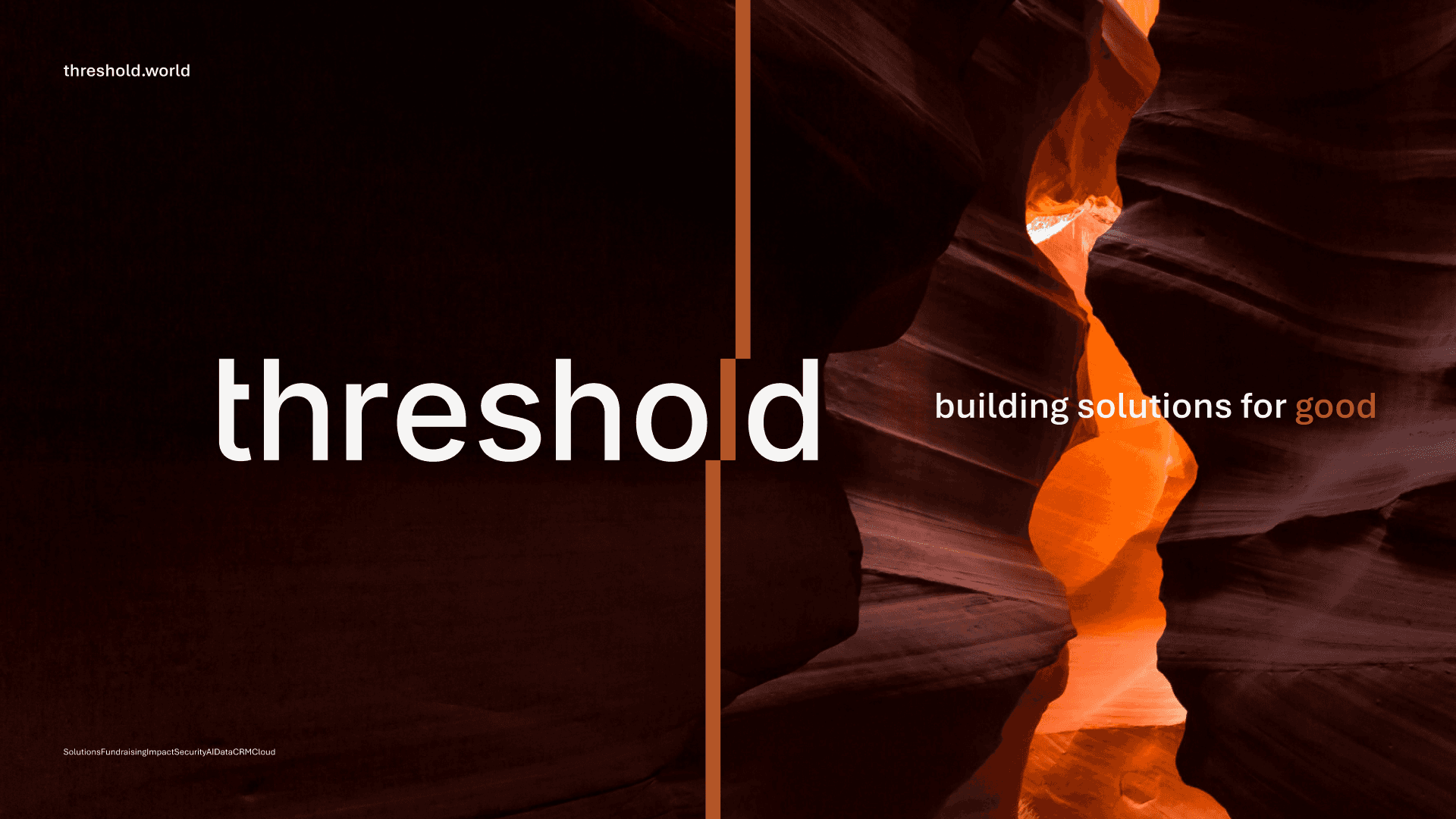
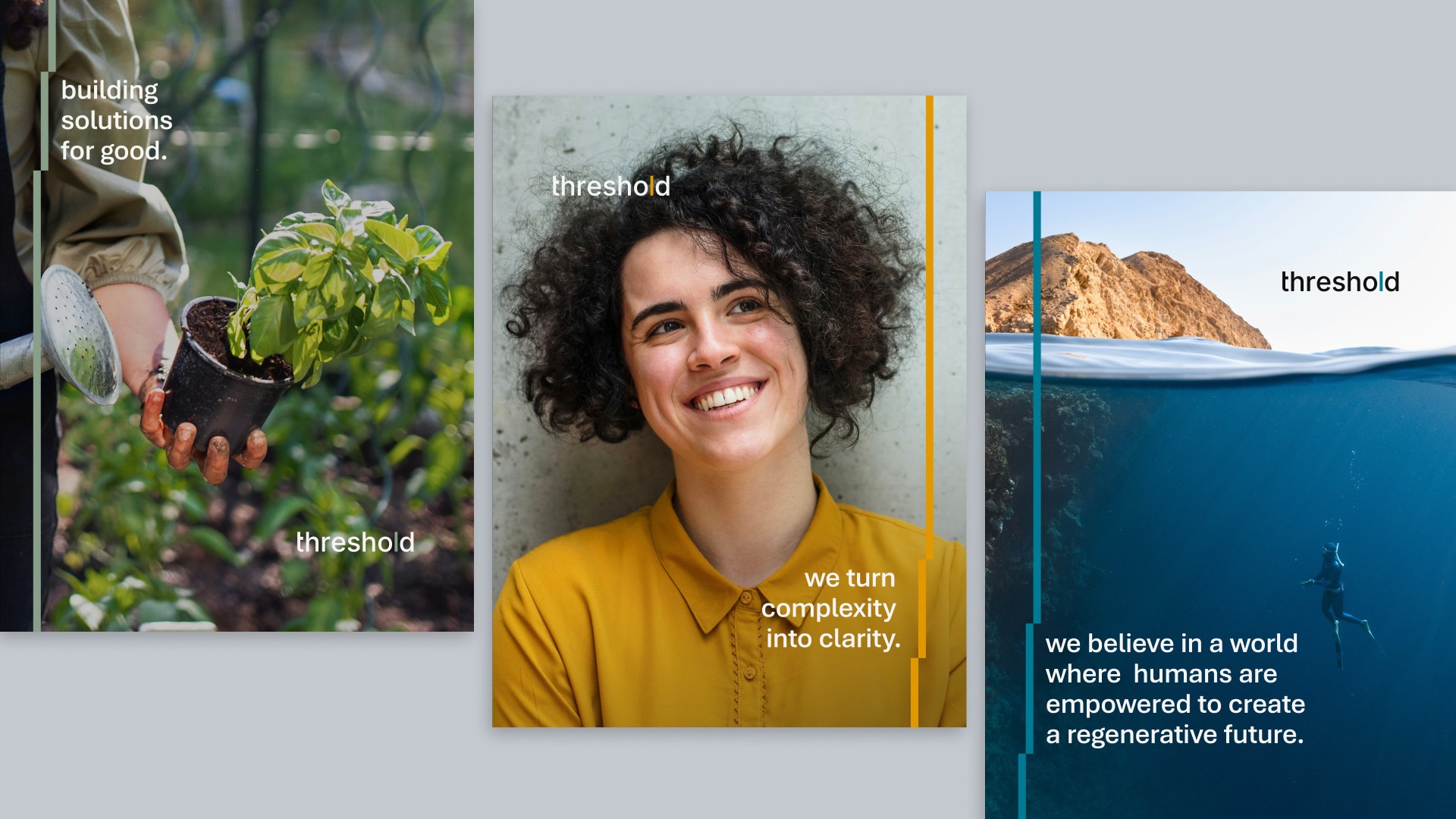
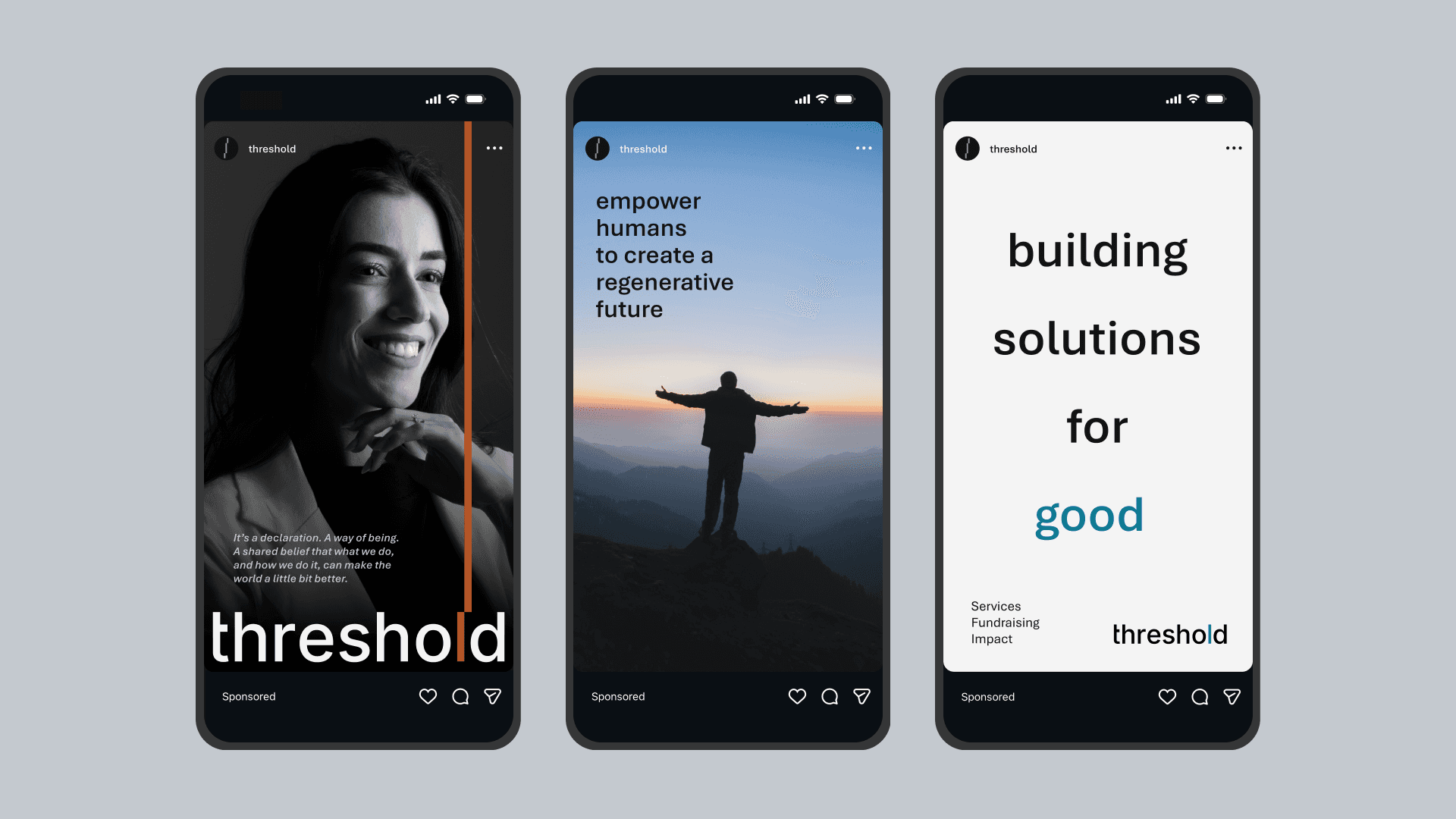
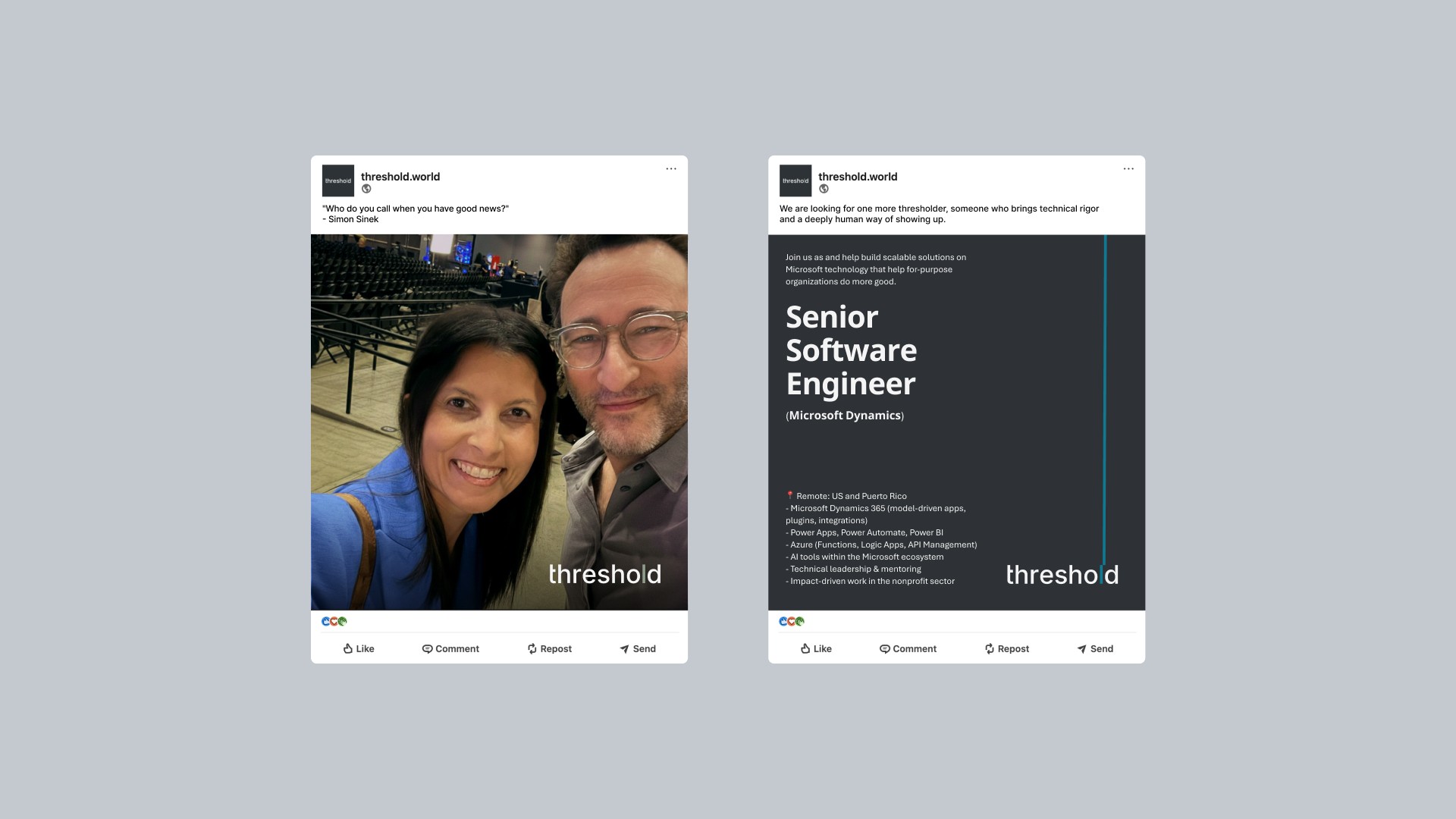
Layouts adapt to context while following the same underlying principles. The examples shown here illustrate how the system flexes across different uses, scales, and formats without prescribing fixed templates. Each layout demonstrates clarity, hierarchy, and restraint, allowing content to lead while the system quietly holds everything together.
Use these examples as reference points, not rules. The goal is consistency of intent, not repetition of form.
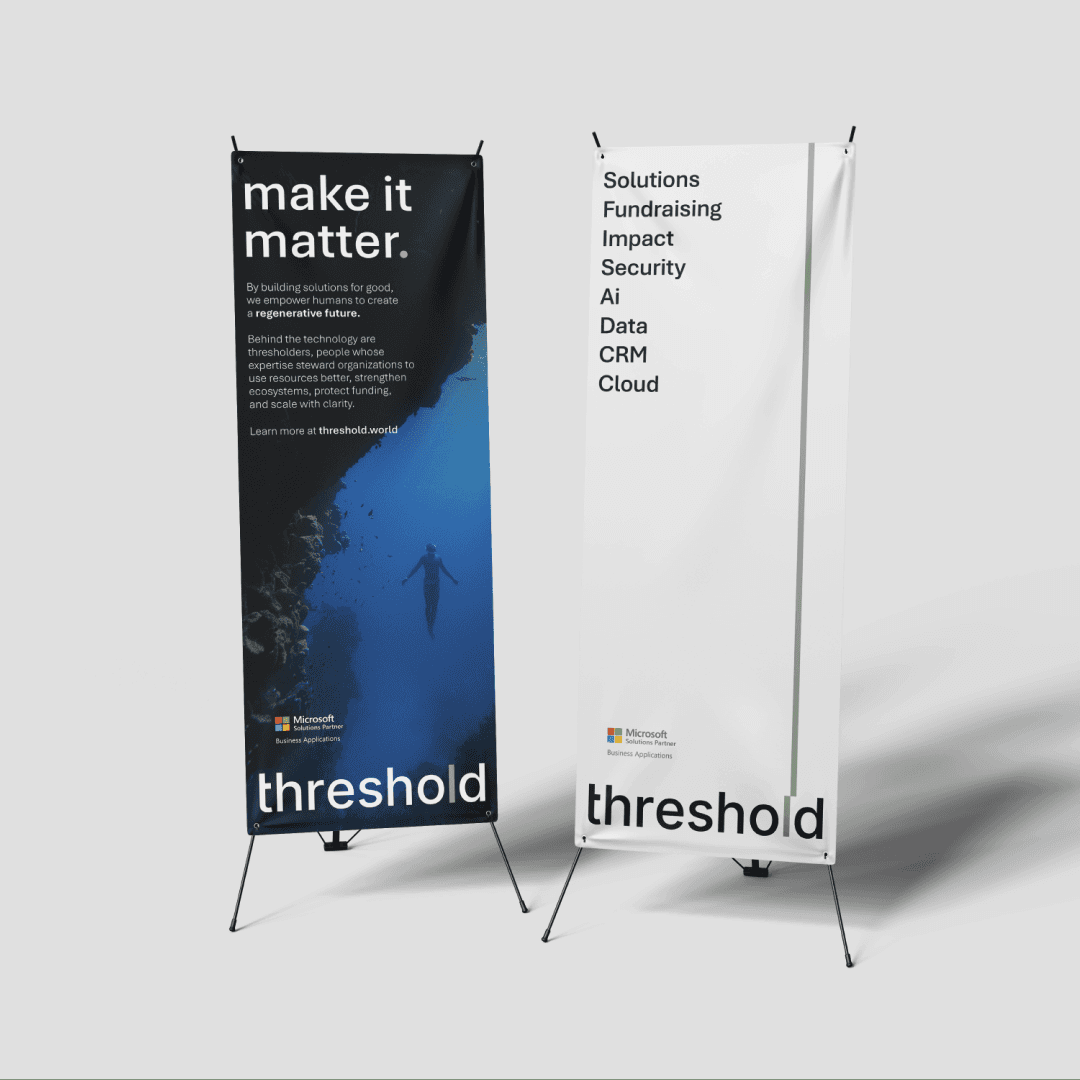
Print favors restraint and permanence, using clear hierarchy and open space to let ideas land and last.

Social prioritizes immediacy, relying on bold crops, strong contrast, and minimal type to communicate in a single moment.
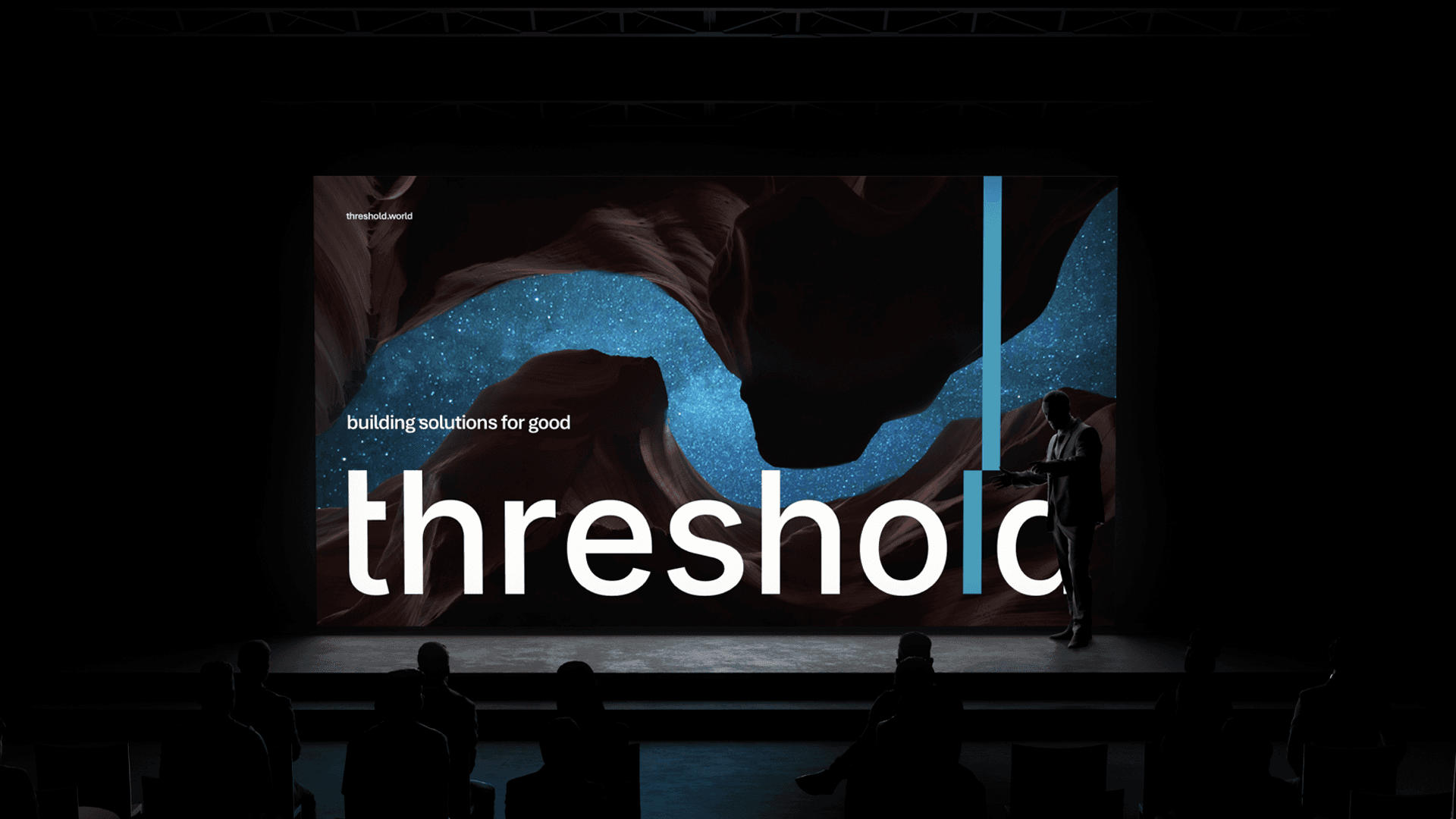
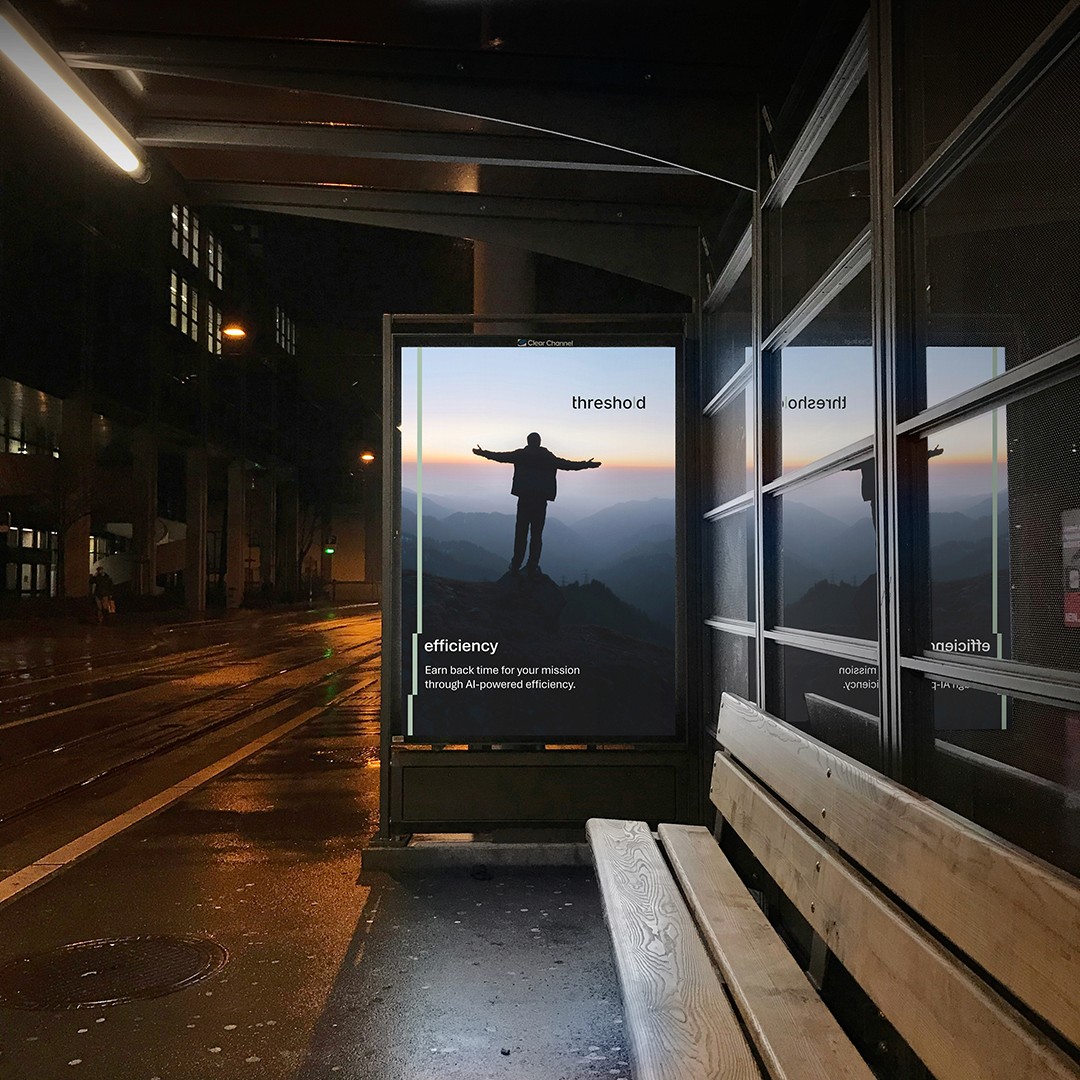
Events & OOH lead with scale and simplicity, using decisive imagery and high contrast to communicate from a distance.
Layout establishes structure and rhythm across the brand through grids, columns, margins, spacing, alignment, and clear hierarchy. It organizes content with intention, using white space and modular systems to guide attention and create balance. The layout system adapts across print, social, events, OOH, and digital environments while maintaining consistency, restraint, and clarity. Structure should read instantly, allowing one idea to lead at a time without visual noise.
09
layout system
Layout establishes structure and rhythm across the brand. It organizes content with clarity and intention, using space, alignment, and hierarchy to guide attention and allow ideas to breathe. Across every context, layout supports meaning without distraction.
layout in practice
Use space as a primary design element. White space creates focus and allows content to breathe.
Establish clear hierarchy before adding visual complexity. Structure should read instantly.
Align elements deliberately. Consistent alignment builds order and trust.
Limit the number of focal points within a layout. One idea should lead at a time.
Maintain consistent margins and rhythm across related layouts.
Allow layouts to adapt to context while preserving the same underlying logic.
examples
Layouts adapt to context while following the same underlying principles. The examples shown here illustrate how the system flexes across different uses, scales, and formats without prescribing fixed templates. Each layout demonstrates clarity, hierarchy, and restraint, allowing content to lead while the system quietly holds everything together.
Use these examples as reference points, not rules. The goal is consistency of intent, not repetition of form.
Print favors restraint and permanence, using clear hierarchy and open space to let ideas land and last.
Social prioritizes immediacy, relying on bold crops, strong contrast, and minimal type to communicate in a single moment.
Events & OOH lead with scale and simplicity, using decisive imagery and high contrast to communicate from a distance.
Layout establishes structure and rhythm across the brand through grids, columns, margins, spacing, alignment, and clear hierarchy. It organizes content with intention, using white space and modular systems to guide attention and create balance. The layout system adapts across print, social, events, OOH, and digital environments while maintaining consistency, restraint, and clarity. Structure should read instantly, allowing one idea to lead at a time without visual noise.
09
layout system
Layout establishes structure and rhythm across the brand. It organizes content with clarity and intention, using space, alignment, and hierarchy to guide attention and allow ideas to breathe. Across every context, layout supports meaning without distraction.
layout in practice
Use space as a primary design element. White space creates focus and allows content to breathe.
Establish clear hierarchy before adding visual complexity. Structure should read instantly.
Align elements deliberately. Consistent alignment builds order and trust.
Limit the number of focal points within a layout. One idea should lead at a time.
Maintain consistent margins and rhythm across related layouts.
Allow layouts to adapt to context while preserving the same underlying logic.
examples
Layouts adapt to context while following the same underlying principles. The examples shown here illustrate how the system flexes across different uses, scales, and formats without prescribing fixed templates. Each layout demonstrates clarity, hierarchy, and restraint, allowing content to lead while the system quietly holds everything together.
Use these examples as reference points, not rules. The goal is consistency of intent, not repetition of form.
Print favors restraint and permanence, using clear hierarchy and open space to let ideas land and last.
Social prioritizes immediacy, relying on bold crops, strong contrast, and minimal type to communicate in a single moment.
Events & OOH lead with scale and simplicity, using decisive imagery and high contrast to communicate from a distance.
Layout establishes structure and rhythm across the brand through grids, columns, margins, spacing, alignment, and clear hierarchy. It organizes content with intention, using white space and modular systems to guide attention and create balance. The layout system adapts across print, social, events, OOH, and digital environments while maintaining consistency, restraint, and clarity. Structure should read instantly, allowing one idea to lead at a time without visual noise.